
LokalStore88 Senin,12 Oktober 2026.
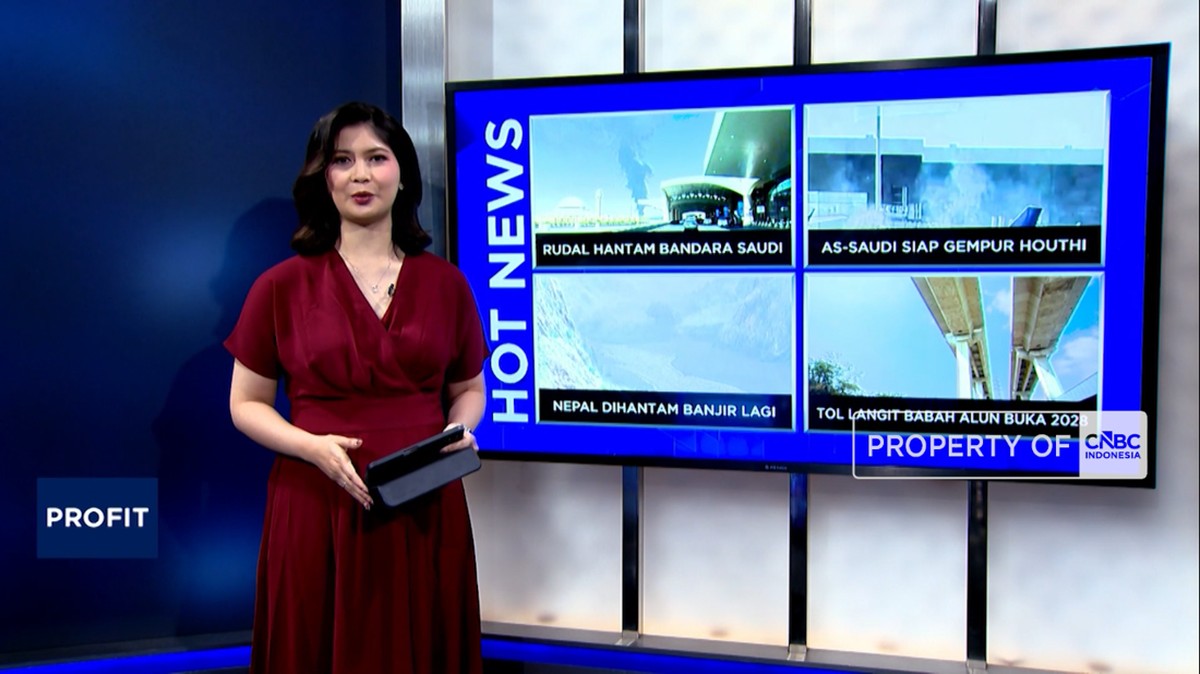
When the sun dipped low over Riyadh, a missile cut through the sky, striking the runway of a major Saudi airport. The blast fractured the tarmac and sparked a flurry of emergency responses within minutes. This unexpected assault raises urgent questions about the security of civil aviation hubs in volatile regions. For readers across the globe, the incident underscores how quickly geopolitical tensions can translate into tangible threats to everyday infrastructure.
Situated near the heart of Saudi Arabia’s capital, the airport serves as a critical node for both domestic and international travel. Over the past decade, passenger traffic has surged, with the terminal handling more than 30 million travelers annually. Its strategic position also makes it a focal point for cargo shipments and diplomatic flights. The sudden vulnerability exposed by the missile strike has prompted a reevaluation of protective measures for such facilities.
🛒 LapakStore88 - Toko Produk Aplikasi Premium Termurah — Kunjungi Toko »
The missile strike, reportedly launched from a neighboring territory, struck the western perimeter of the airfield just before midnight local time. Structural engineers estimate that the impact displaced a portion of the runway, rendering it unusable for at least 48 hours. While no fatalities were reported, several ground staff sustained minor injuries from debris. The incident also disrupted flight schedules, forcing airlines to reroute hundreds of passengers.
In response, the Saudi air defense network activated its missile interception system, successfully neutralizing a second incoming projectile. Ground crews swiftly sealed damaged sections and coordinated with emergency services to secure the site. Authorities imposed a temporary closure on all aircraft movements, prioritizing the safety of passengers and personnel. Meanwhile, intelligence agencies intensified surveillance to prevent further incursions.
Beyond the immediate operational impact, the attack has triggered a broader discourse on the resilience of national infrastructure. Experts suggest that airports must now incorporate layered defense mechanisms, including hardened shelters and advanced surveillance. Economically, the temporary shutdown translated into a loss estimated at tens of millions of dollars in flight revenue and ancillary services. The incident also prompted the Ministry of Transport to issue new guidelines on emergency preparedness for civil aviation.
Inovasi 'Tol Langit' sebagai Jawaban Terhadap Gempa
In a parallel development, Saudi Arabia is set to unveil the 'Langit' anti-earthquake tunnel, a monumental civil engineering project slated for completion in 2028. The tunnel, spanning over 25 kilometers beneath the capital’s downtown, is designed to redirect seismic forces away from critical infrastructure. By channeling ground motion, the structure aims to protect both residential and commercial districts from the devastating impacts of earthquakes. Officials anticipate that the tunnel will also serve as an underground transit corridor, offering commuters a safe and efficient alternative during seismic events.
Constructed at a depth of approximately 200 meters, the tunnel employs a combination of pre-stressed concrete and advanced seismic dampers. Its core consists of a series of segmented rings that flex in response to ground tremors, absorbing kinetic energy before it reaches the surface. The project incorporates real-time monitoring systems, allowing engineers to detect shifts in ground movement and adjust the structure dynamically. Completion of the tunnel is expected to reduce seismic risk by an estimated 40 percent for buildings located directly above its path.
Safety protocols for the tunnel include a network of automatic fire suppression systems and redundant ventilation shafts to ensure rapid evacuation. In the event of a seismic event, the tunnel’s design facilitates controlled egress, guiding passengers towards pre-marked safe zones. Emergency drills are scheduled quarterly, involving both municipal responders and private sector partners. The integration of IoT sensors allows for real-time data sharing with local command centers, enabling swift decision-making during crises.
Beyond its primary seismic protection role, the 'Langit' tunnel is projected to bolster public confidence in the nation’s disaster preparedness. Residents in high-risk neighborhoods anticipate a safer commute, especially during the peak morning rush. The project also aligns with the country’s broader vision to modernize infrastructure and reduce vulnerability to natural hazards. Moreover, the tunnel’s dual function as a transportation corridor could alleviate traffic congestion on surface roads.
The construction of the tunnel has already spurred a surge in local employment, with over 5,000 workers now engaged across multiple phases. Contractors specializing in underground construction have secured long-term projects, driving investment in specialized equipment. The initiative also encourages collaboration with international firms, fostering knowledge transfer in seismic engineering. Financial analysts predict a ripple effect, with ancillary industries such as tunneling equipment manufacturers and safety certification bodies poised for growth.
Saudi officials have hailed the project as a testament to the nation’s commitment to safeguarding its citizens. International partners, particularly those from countries with advanced seismic research, have expressed interest in sharing best practices. Civil society groups have welcomed the dual-purpose design, emphasizing the need for resilient infrastructure that also serves everyday transportation. Nonetheless, some skeptics argue that the project’s cost could strain national budgets if not managed efficiently.
As the missile attack underscores the fragility of critical infrastructure, the timely completion of the 'Langit' tunnel offers a proactive strategy to mitigate future disasters. With its launch targeted for 2028, the project stands at the intersection of technological innovation and public safety. The government’s continued investment in such ventures signals a broader shift toward resilience as a core national priority. Readers can anticipate further updates as the tunnel progresses, shedding light on how engineering can transform vulnerability into strength.
Sumber: CNBC Indonesia
Bersama kami, tetap update dengan berita terkini dan insight menarik seputar infrastruktur dan teknologi. Ikuti terus kanal resmi kami untuk tidak ketinggalan kabar selanjutnya!
📘 Follow Fanspage kami di Facebook: klik di sini
💬 Gabung Saluran WhatsApp kami: klik di sini
✈️ Update berita tercepat ada di Channel Telegram kami. Gabung sekarang, gratis, tanpa ketinggalan kabar terbaru.
Gabung Channel Telegram »📰 Baca artikel lainnya di blog kami: kunjungi blog
Baca juga:
Kata kunci terkait: serangan rudal, bandara Saudi, tol anti gempa, Langit, infrastruktur, keamanan udara, tunnel, keamanan sipil
#LapakStore88

:strip_icc():format(webp)/kly-media-production/medias/5555188/original/031234900_1776146112-cropped-ae78c593-b8f4-4abf-84c2-b71e0472705e.jpg)

:strip_icc():format(webp)/kly-media-production/medias/1936971/original/042281200_1519618063-Jaringan-Telpon-Seluler8.jpg)